TL;DR
Tungsten carbide pottery trimming tools are most worth the price when you regularly trim groggy, speckled, or otherwise abrasive clay. They can keep a working edge longer than ordinary steel, but there is no reliable universal multiplier, and carbide is less forgiving if dropped or forced. Compare the tools by tracking usable trimming sessions, not by assuming the highest price guarantees the best result.
Where does carbide make the biggest difference?
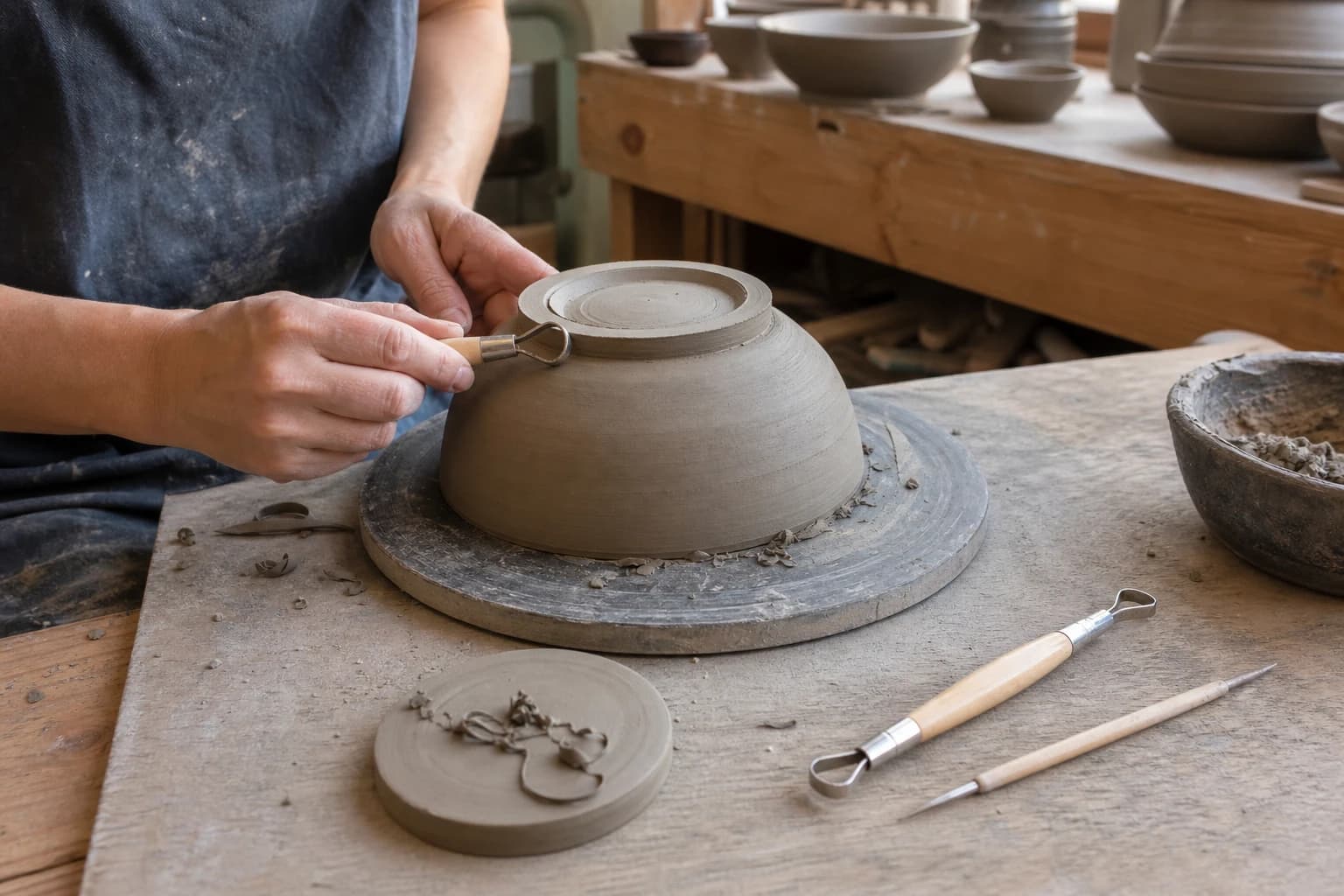
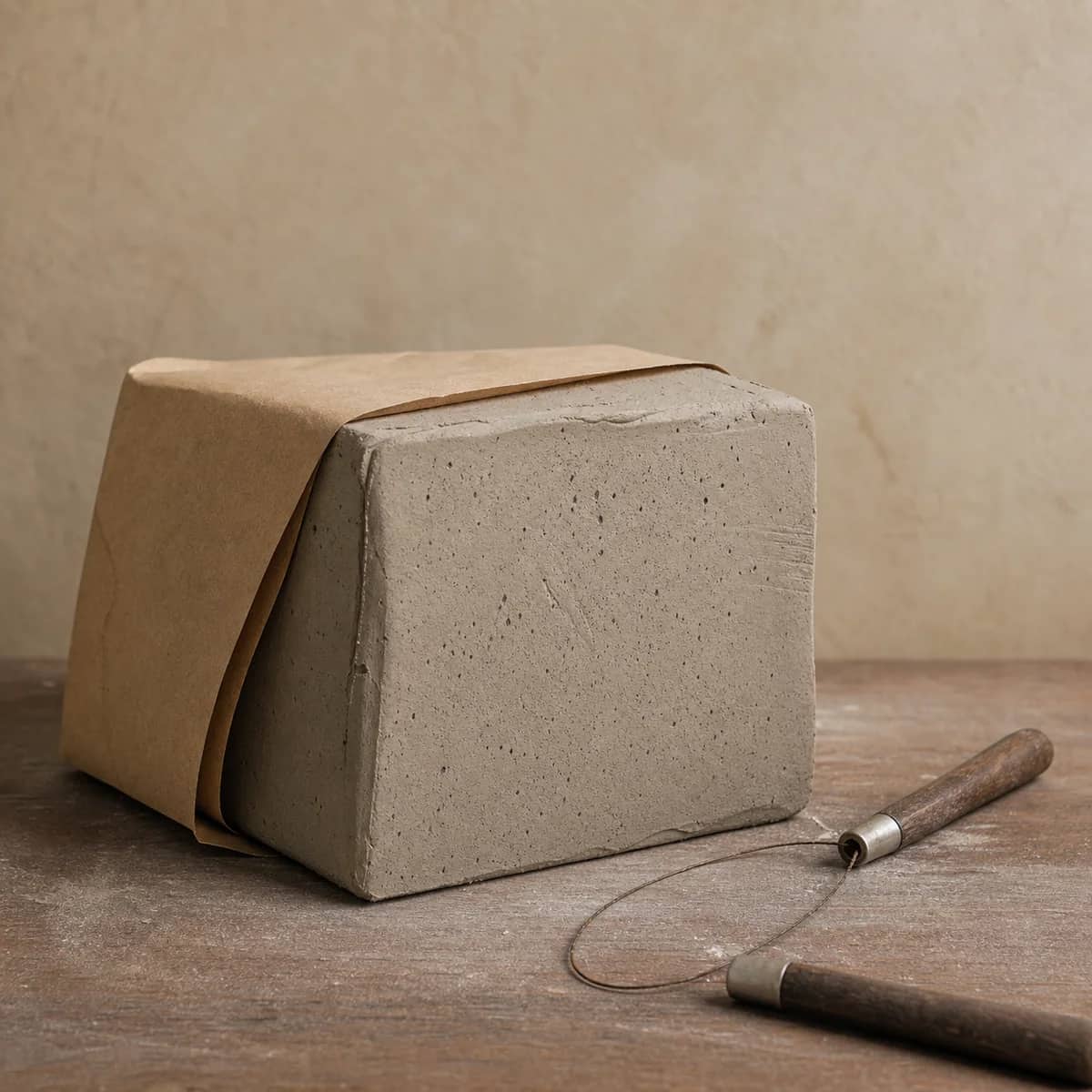
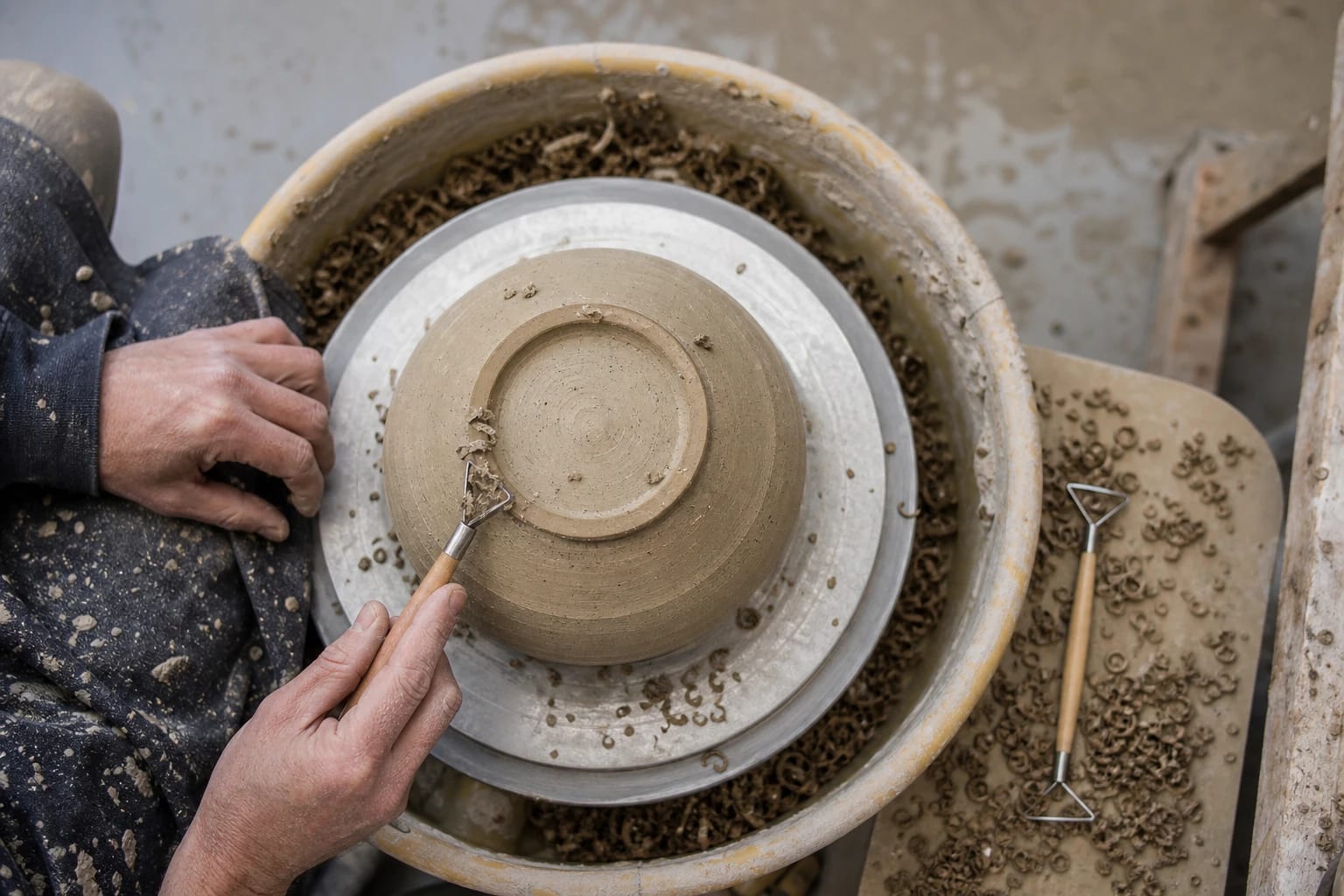
The difference usually shows up when your clay contains particles that wear a fine steel edge quickly. Grogged stoneware, coarse stoneware, and some speckled bodies are the clearest candidates. A tool may begin to drag, chatter, or require more pressure as its edge wears, even when it still looks usable.
Smoother stoneware and porcelain can make the price difference harder to notice. If you trim a small number of lightly textured pieces and already maintain steel tools comfortably, a replaceable or sharpenable steel loop may remain the better value.
Clay body is only one part of the decision. The benefit also depends on how much trimming you do, how hard the clay is when you trim, the tool's edge shape, and whether you tend to twist or lever the tool against the pot.
For a broader overview of edge shapes, shafts, and handles, compare pottery trimming tools by the job they perform before choosing a material.
How much longer does a carbide edge last?
There is no single answer that applies across studios. Edge life changes with clay composition, moisture, trimming pressure, tool geometry, and the number of feet or forms you cut in each session. A claim that carbide lasts a fixed number of times longer should be treated cautiously unless the comparison uses the same clay, edge profile, pressure, and stopping point.
Use a simple studio comparison instead:
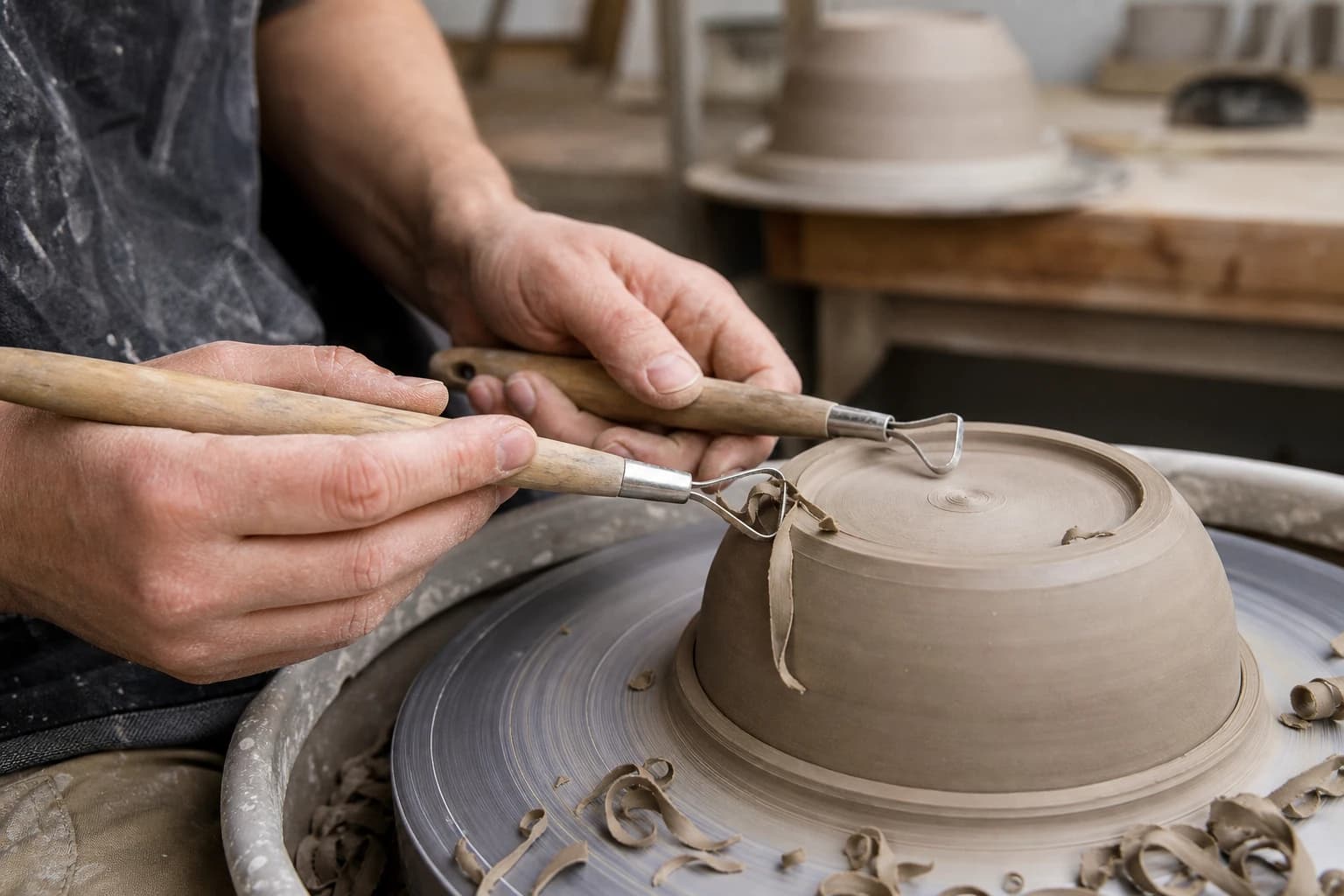
1. Choose one steel tool and one carbide tool with similar shapes. 2. Trim the same clay body at a similar leather-hard stage. 3. Give each tool the same job, such as refining foot rings. 4. After each session, record drag, chatter, required pressure, and visible edge damage. 5. Stop counting when the tool no longer gives a clean result without changing your technique.
Count usable sessions rather than finished pots, since one session may involve very different forms. This will not produce a laboratory lifespan, but it will show whether the longer edge matters in your own work.
What are the trade-offs beyond edge life?
Carbide's main advantage is reduced edge maintenance. You may spend less time trying to restore a dull edge, especially if your clay quickly abrades steel. That can matter more than the purchase price when trimming is a regular production step.
The disadvantages are practical. Carbide can be brittle. Dropping a tool, striking the wheelhead, or applying sideways force may chip the cutting edge. It also may not be as straightforward to sharpen with the equipment and technique you already use for steel. A damaged carbide tip may need replacement rather than routine reshaping.
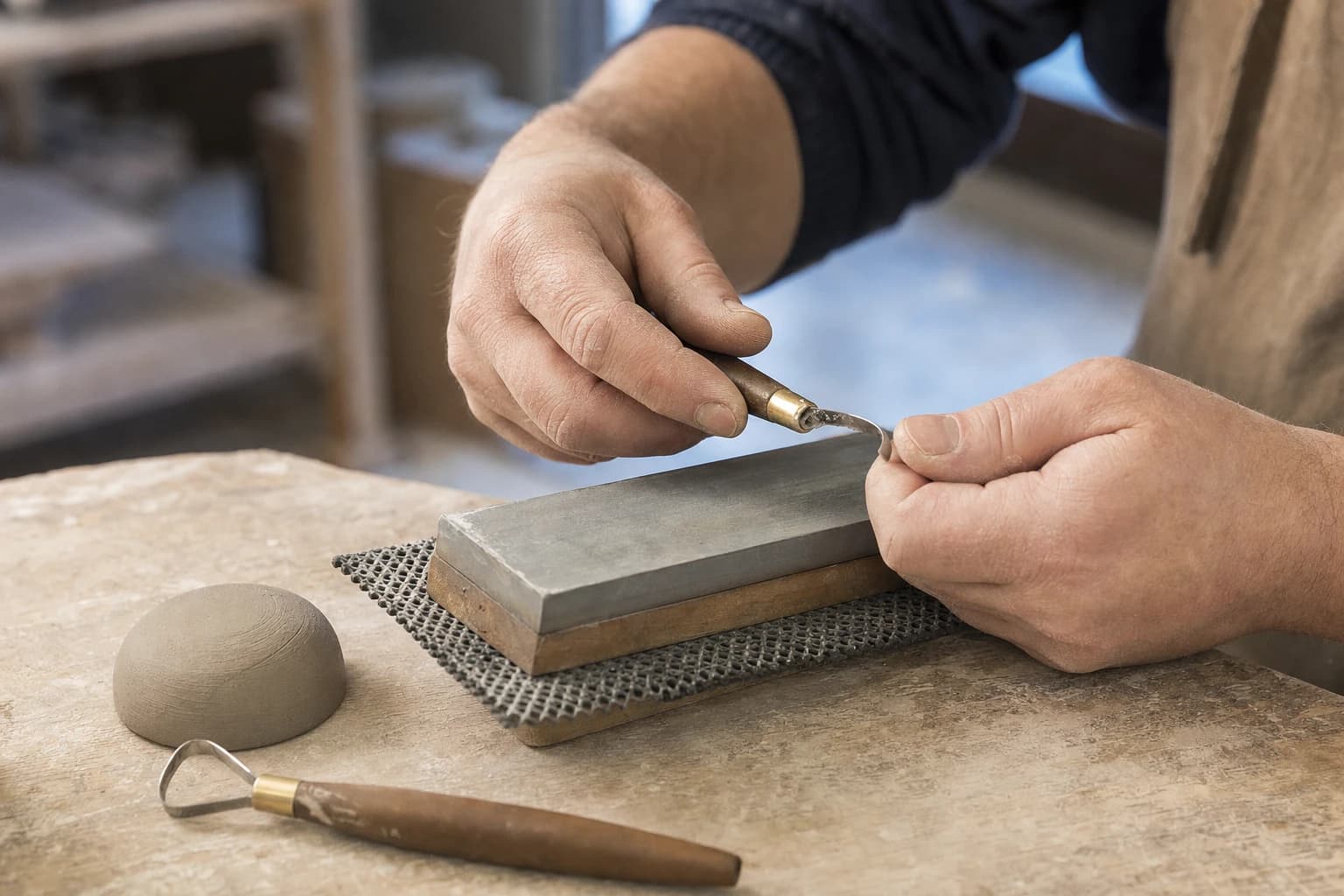
Handle comfort still matters. A durable edge does not compensate for a shaft that flexes in an unwanted way or a handle that encourages you to grip too tightly. Compare the complete tool, not just the material at the cutting edge. The guidance on sharpening and maintaining pottery trimming tools can help you plan maintenance before buying.
When is steel still the better buy?
Choose steel when you want a lower initial cost, easy experimentation with different shapes, or an edge you can maintain using familiar methods. Steel is also a sensible choice for beginners who are still learning how much pressure, speed, and tool angle their trimming process needs.
Steel may offer better value when:
- You trim only occasionally.
- Your clay is relatively smooth and non-abrasive.
- You frequently change tool shapes as your forms develop.
- You are comfortable sharpening or replacing inexpensive tools.
- A damaged tool would be easy to replace within your budget.
A carbide tool becomes easier to justify when edge maintenance interrupts frequent work, when abrasive clay makes steel dull quickly, or when consistent trimming matters more than having the lowest entry price.
A practical carbide buying checklist
Before paying more, answer these questions:
- Which clay bodies do you trim most often?
- Do you notice steel edges losing control during a normal session?
- Is the carbide tool shaped for your usual foot rings, bowls, or vessels?
- Can you store it where it will not be knocked onto a hard surface?
- What is the replacement or maintenance plan if the edge chips?
- Will the handle and shaft suit your grip and trimming pressure?
Buy one carbide tool in the shape you use most often rather than replacing an entire set immediately. Keep your current steel tool as a comparison. After several comparable sessions, decide whether the carbide edge saved enough maintenance time or reduced enough frustration to justify another purchase.
The value depends on your clay and your routine
Tungsten carbide pottery trimming tools are not automatically better for every potter. Their strongest case is frequent trimming in abrasive clay, where a stable edge can support a more predictable workflow. Their weaker case is occasional trimming in smooth clay, where steel may cost less and offer easier experimentation.
Judge the purchase by your own edge-wear record, tool handling, and replacement habits. The most useful result is not a promised lifespan. It is knowing which tool keeps your trimming controlled with the least total interruption.
Keep this nearby while you make, then let the next piece be your own.