TL;DR
To find compatible kiln repair parts, start with the kiln’s manufacturer, exact model, and serial number, then confirm the replacement against the manual or a parts listing for that model. If the fault involves wiring, terminals, or uncertain electrical components, stop and contact a qualified technician rather than guessing.
Start with the kiln’s identification details
Before ordering anything, write down the manufacturer, model, serial number, and any revision or voltage information on the kiln’s identification plate. Check the manual for the corresponding parts list and repair guidance. If the plate is difficult to read, photograph it and keep the image with your kiln records.
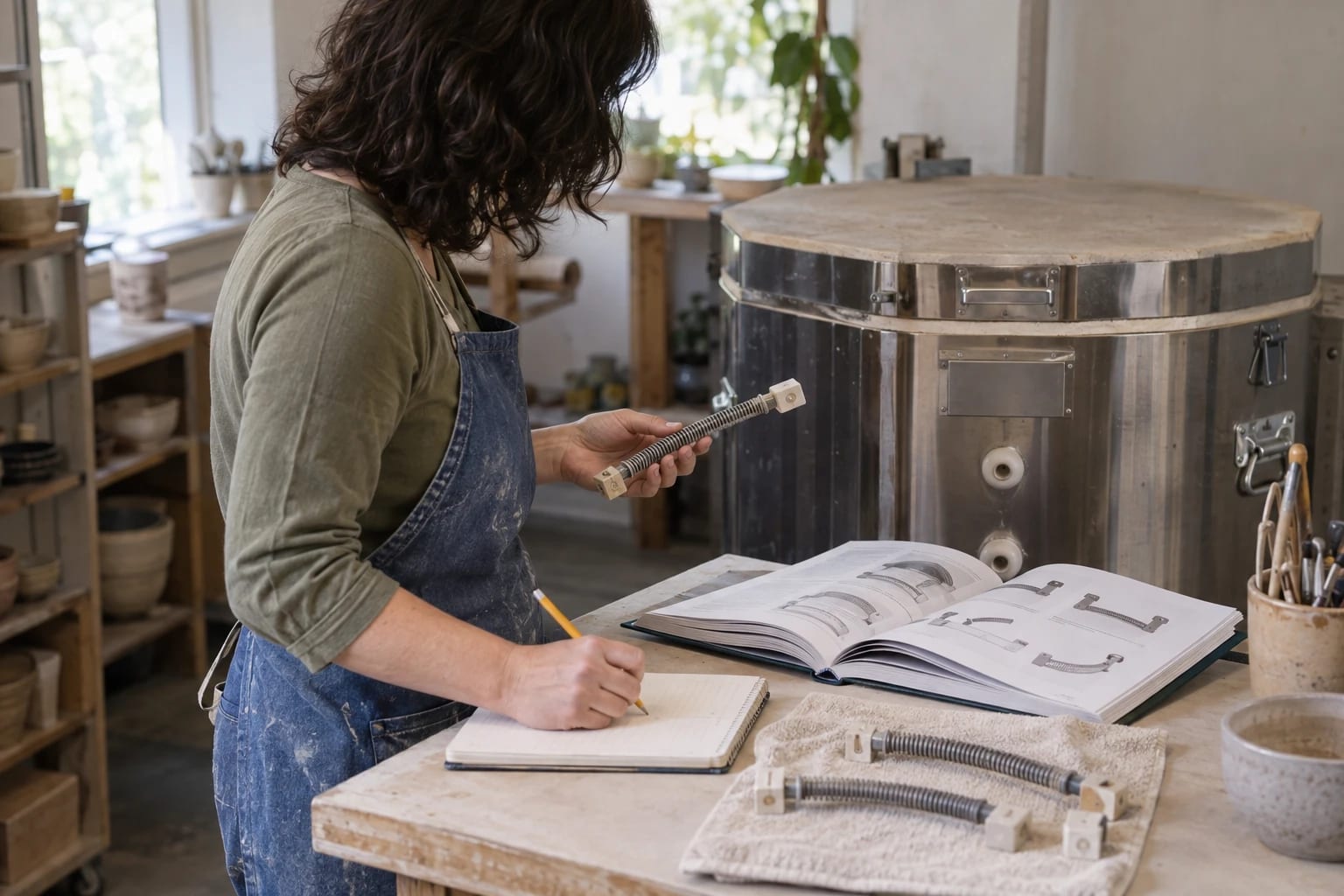
A part that looks similar may not be interchangeable. Kilns can differ in dimensions, electrical characteristics, connector style, or control configuration. Treat the manual and manufacturer’s model-specific documentation as the source of truth, not a marketplace photo or a seller’s broad compatibility claim.
For a broader overview of repair decisions, see kiln repair: what you can do and when to call an electrician. If you are comparing equipment as well as parts, electric kilns for firing pottery can help frame the larger setup decision.
How do you match a replacement part?
Use this compatibility check before you buy:
1. Match the model. Confirm the part listing names your exact kiln model or an explicitly approved model range. 2. Match the part identifier. Compare the manufacturer’s part number in the manual or parts diagram with the listing. If numbers differ, ask the manufacturer or an authorized supplier to confirm an approved replacement. 3. Check the specified details. Compare the dimensions, material, connector, or electrical rating only where the manual or manufacturer identifies them as selection criteria. Do not infer compatibility from appearance. 4. Confirm the repair is within your scope. Follow the manual’s service instructions. Ask the manufacturer or a qualified technician if the procedure, part, or fault is unclear. 5. Keep the record. Save the part number, seller, and confirmation with your kiln documents so the next repair starts with better information.
If you cannot establish a clear match, pause the purchase. A supplier who can verify the part against the kiln’s model and serial details is more useful than one who offers a confident guess.
Which repair decisions call for a technician?
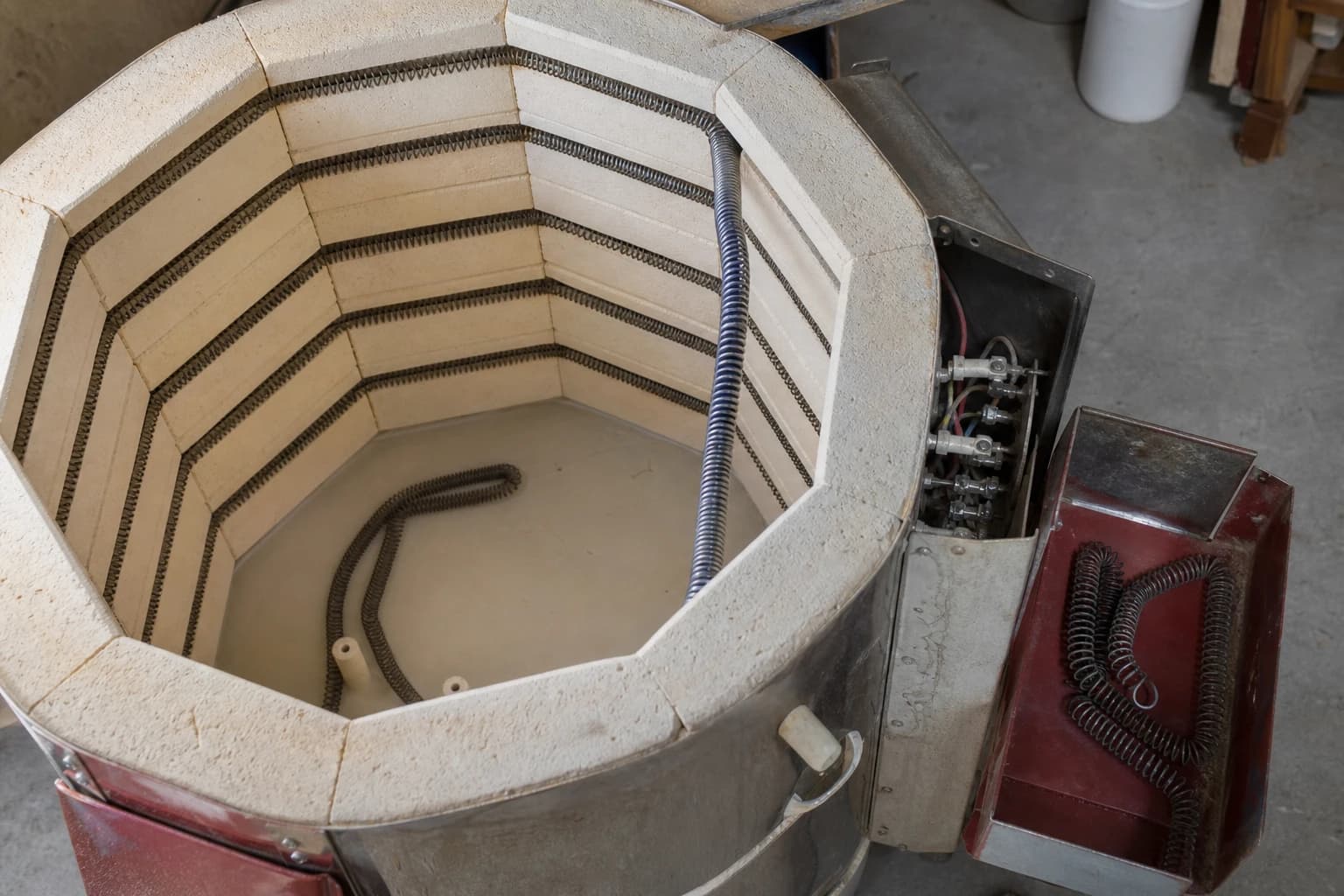
Replacement parts are not all equally straightforward. A part may be listed for your kiln and still require technical service to install or diagnose safely. Follow the manual’s limits, and contact a qualified technician when the fault involves wiring, damaged terminals, control components, repeated electrical problems, or a repair procedure you do not understand.
Do not open or work on electrical components based on an online photo or an assumed similarity to another kiln. For electrical work, the equipment manual and local requirements govern; a qualified electrician may be needed to assess electrical supply or building wiring. This is not a substitute for model-specific service advice.
A simple parts-order decision aid
Before placing an order, answer these questions:
- Do I have the exact kiln model and serial details?
- Does the manual or manufacturer identify this part for my model?
- Can I verify the part number or get written confirmation of an approved replacement?
- Does the manual permit this repair, and do I understand its instructions?
- Is there any sign the problem involves electrical connections or a recurring fault?
If the first three answers are no, do not guess at a replacement. If the fourth is no, or the last answer is yes, seek qualified service before proceeding. A part listing alone cannot diagnose why the original component failed.
FAQ
Can I choose a kiln part by matching its appearance?
No. Similar-looking parts may differ in fit or specifications. Match the part number and kiln model using manufacturer documentation.
What if my kiln’s part number is discontinued?
Ask the manufacturer or an authorized supplier whether there is an approved replacement for your exact model. Do not substitute a part solely because a listing calls it universal.
Should I keep old parts for comparison?
Keep the part information and photos for reference, but do not use the old component’s appearance as proof that a replacement is compatible. The documentation must confirm the match.
Keep this nearby while you make, then let the next piece be your own.