
TL;DR
A full kiln is not automatically a good kiln load. An electric kiln for firing pottery works best when every piece is fully dry, clay and glaze ranges are compatible, shelves are protected, and the firing program follows the material manufacturers' guidance.
Use separate bisque and glaze firing routines, keep written notes, and change one variable at a time when a result needs improvement. Your kiln manual, clay and glaze labels, and local electrical requirements decide the safe operating limits.
What should you check before loading an electric kiln for firing pottery?
Start with the materials, not the controller. Confirm that the clay body and glaze are intended to mature at the same cone range, and separate work that needs different firing conditions. A low-fire glaze on a higher-firing clay body, for example, needs a test plan rather than an assumption that both materials will work together.
Firing drives chemical and physical changes that affect a piece's color, dimensions, and structural stability. That is why a note about the clay, glaze, thickness, and firing program is more useful than judging a piece by appearance alone.
Before loading, use this short checklist:
- Check that greenware is completely dry, especially handles, feet, lids, and thick joins.
- Brush loose clay crumbs from shelf surfaces and kiln furniture.
- Apply kiln wash to shelves as appropriate for your studio routine and materials.
- Inspect glazed bottoms for bare, clean foot rings.
- Group similar clay and glaze types in the same load when possible.
- Place witness cones where they can be seen after firing if they are part of your process.
For a first purchase or a change in production volume, compare chamber capacity with the size and number of forms you actually make in an electric pottery kiln buying guide.
How do you load pottery without creating avoidable problems?
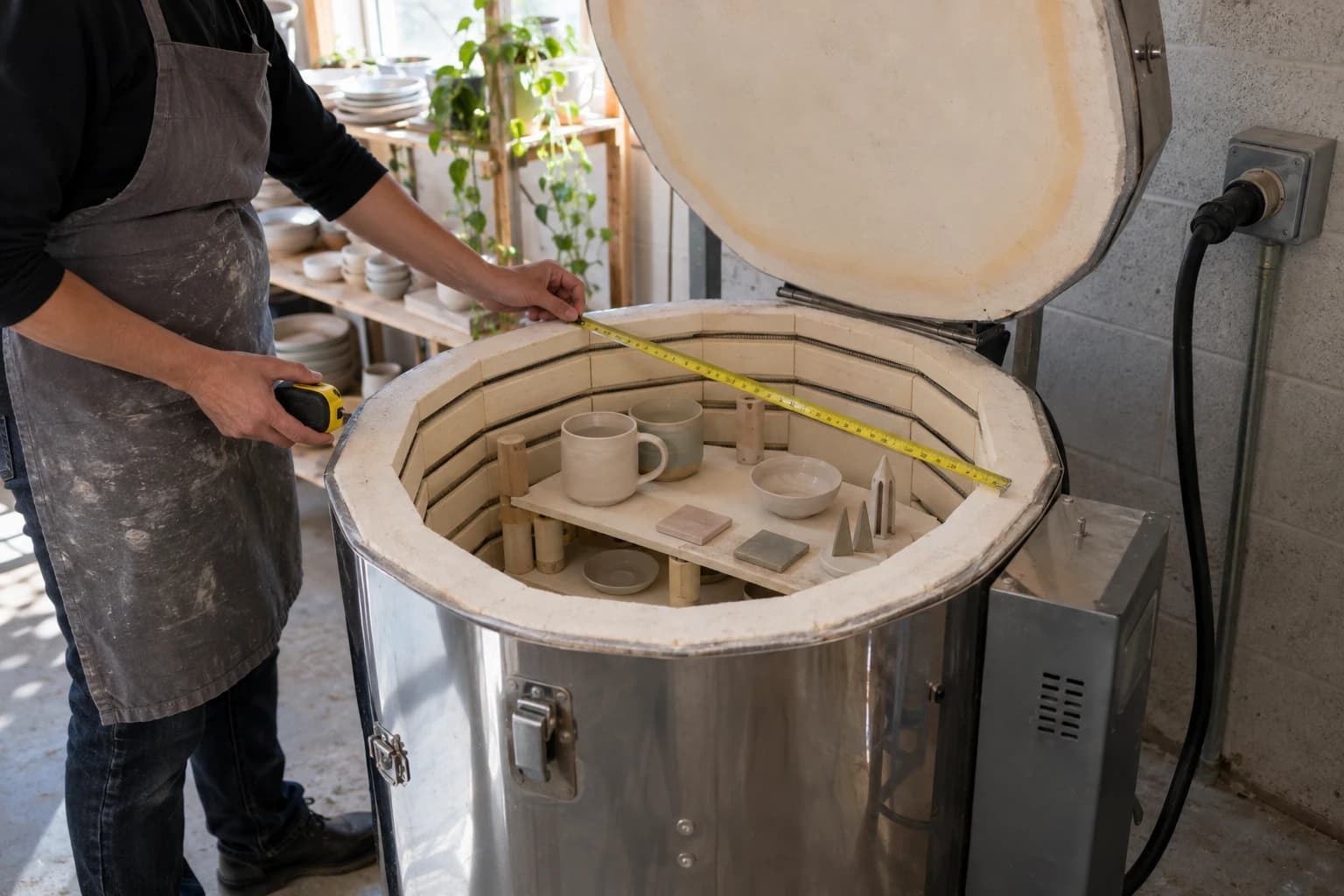
Leave space between pieces so they do not touch as they heat and cool. Keep shelves level and supported by stable posts of the same height. Put heavier, sturdier work lower in the kiln when that arrangement suits your shelf plan, then keep delicate rims, tall forms, and thin attachments protected from crowding.
For glaze firing, treat every glazed surface as a possible sticking point. Use stilts or other supports only when they suit the glaze and form, and accept that supported areas may leave marks. Keep lids off vessels unless the clay and firing plan call for firing them together.
Make a simple loading sketch in your notebook. Record shelf positions, clay body, glaze, and any test tiles. If one area of the kiln later gives a different result, the sketch gives you a useful starting point for the next load.
Bisque and glaze firing need different decisions
Bisque firing prepares clay for glazing. The priority is giving moisture and organic materials time to leave the ware gradually according to the clay manufacturer's instructions. Thick, enclosed, or unevenly dried work deserves a more cautious program than a load of small, evenly made pieces.
Glaze firing matures the clay and glaze together. Confirm the target cone range for both, then use the glaze maker's directions for application and firing. Glazes can run, crawl, pinhole, or change surface character when thickness, clay body, program, or placement changes.
A repeatable kiln firing schedule gives you a better baseline than copying a random program. Begin with the material guidance, then test small changes through test tiles or a limited test load.
Which firing stages need the most attention?
The early part of a firing matters because residual moisture can damage work that was loaded too soon. The middle portion is where clay continues its transformation, and the final portion determines whether the intended clay and glaze maturity has been reached.
Avoid treating a controller temperature reading as the complete story. Witness cones can help you compare the heat work achieved in different kiln locations. When cones, glaze appearance, and clay maturity do not agree, document the load before changing the next program.
Do not open the kiln simply to speed cooling. Let the kiln cool according to the equipment manual and the needs of the clay and glaze. Rapid cooling can create avoidable stress in some forms and surfaces.
Build a one-variable firing test
When results are inconsistent, test a single question rather than redesigning the whole process. Make several small tiles from the same clay, label them clearly, and apply the same glaze in a consistent way. Keep the clay, glaze, shelf position, and firing program unchanged except for the one choice you are evaluating.
For example, compare two glaze application thicknesses in the same load. Photograph the fired tiles and record the cone result, surface, color, and any movement onto the shelf. This creates a practical reference for future work and reduces the chance of sacrificing a full load to an untested combination.
Equipment and studio precautions that stay practical
Read the kiln manual before each new firing approach, especially when using programmable controls, unfamiliar materials, or new kiln furniture. Keep the kiln area clear, use the ventilation approach appropriate to your equipment and space, and follow local requirements for installation and electrical service. A qualified electrician and local rules must decide electrical questions.
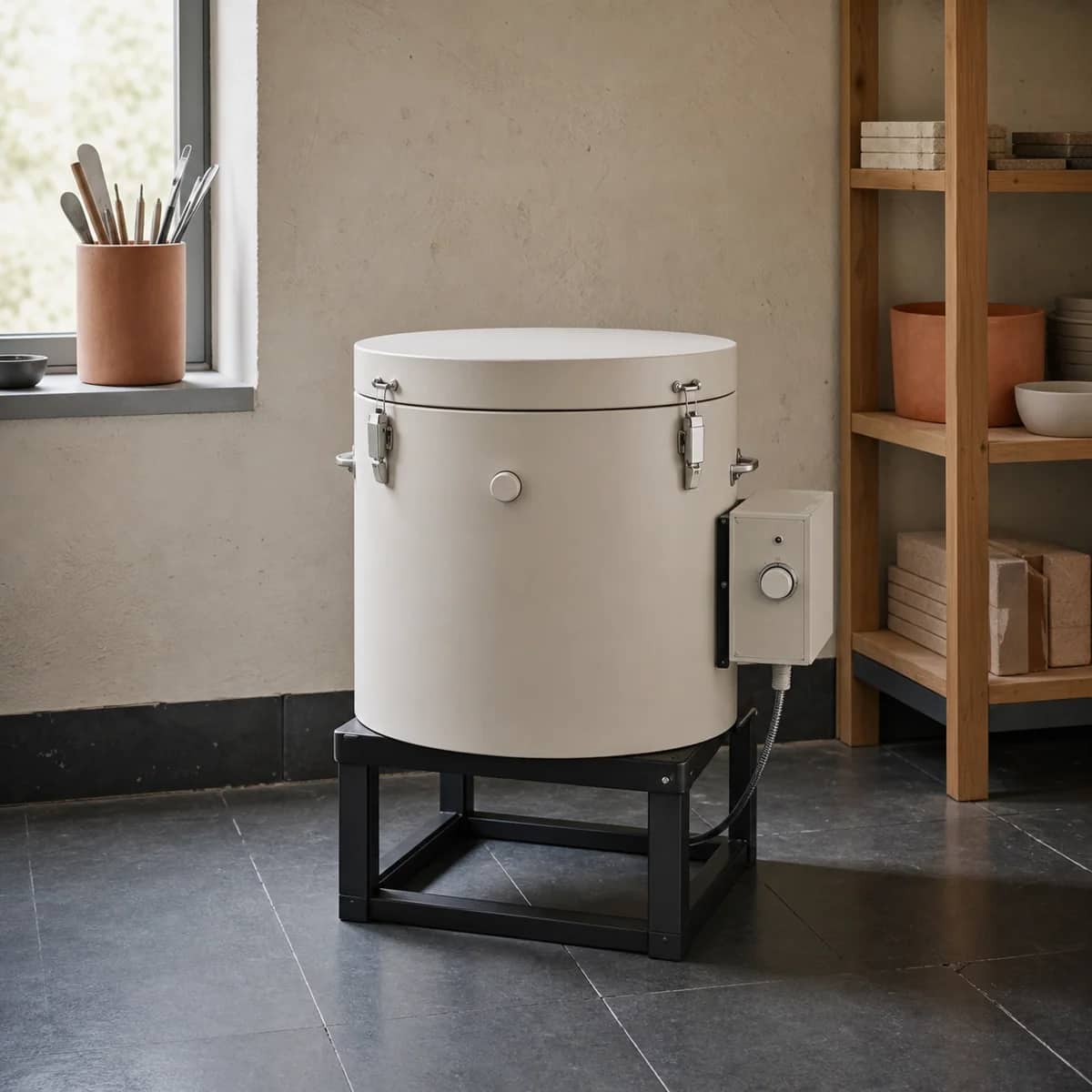
If your workspace is limited, a small electric kiln for pottery may support test batches and smaller forms, but its chamber size should match your shelf plan and expected firing rhythm. Choose capacity based on the work you need to fire, not just the floor space available.
Keep this nearby while you make, then let the next piece be your own.